
"multi-trunk pruning"
2390 article(s) found

Introduction of varieties with characteristics of grinding degree for flavor description of Honduran coffee beans
The granules of coffee beans in Honduras are large in shape, uniform in size and glossy in color. In order to facilitate harvesting, farmers will prune the coffee trees to no more than 150 centimeters, because if they grow too high, they have to set up ladders to pick, which is not only time-consuming, but also may damage the trees by bending branches. As the ripening period of each fruit of the coffee bean is different, it is necessary to keep the coffee bean in good condition.

What is the quality of Honduran coffee beans? the shape of beans
The granules of coffee beans in Honduras are large in shape, uniform in size and glossy in color. In order to facilitate harvesting, farmers will prune the coffee trees to no more than 150 centimeters, because if they grow too high, they have to set up ladders to pick, which is not only time-consuming, but also may damage the trees by bending branches. As the ripening period of each fruit of the coffee bean is different, it is necessary to keep the coffee bean in good condition.
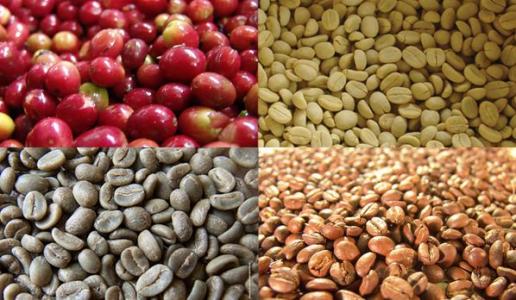
Flavor description of Honduran coffee beans Taste treatment Variety Region of origin Grinding scale
Honduras has geographical conditions comparable to those of neighboring coffee producing countries such as Guatemala and Nicaragua. There are 280,000 hectares of coffee plantations in Honduras, mainly small coffee plantations, most of which are less than 3.5 hectares. These coffee plantations account for the whole of Honduras

The growth process of coffee
The coffee tree is an evergreen tree with small white flowers and green fruit that does not turn red until it is ripe. A normal coffee tree can usually grow to a height of 5 to 10 meters, but bean farmers often prune it to less than 2 meters for harvest convenience. After flowering, there are many dark green oval fruits, and the mature fruits change from dark green to bright red, due to the color and cherry.

High-quality Honduran Coffee Manor Flavor introduces Santa Barara Manor
The display of this quality is due to the fact that the granules of Honduran coffee beans are large in shape, uniform in size and uniform in color. In order to facilitate harvesting, farmers will prune the coffee trees to no more than 150 centimeters, because if they grow too high, they have to set up ladders to pick, which is not only time-consuming, but also may damage the trees by bending branches. Due to the ripening of each fruit of the coffee bean
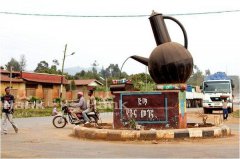
Yega Sheffield Coffee Taste describes the planting situation in Yejashefi Coffee Coffee producing area
For professional baristas, please follow the coffee workshop (Wechat official account cafe_style). The Ethiopian cultivation system is the most diverse. Forest coffee (Forest coffee) refers to wild coffee trees in primeval forests. Protected by the government, there are special personnel to harvest. The total output is only 510%. two。 Semi-forest coffee (Semi-forest coffee) refers to semi-wild coffee, which is regularly pruned by farmers.

El Salvador Coffee El Salvador Warriors Manor San Carlos introduction.
Professional coffee knowledge exchange more coffee bean information please follow the coffee workshop (Wechat official account cafe_style) San Carlos Warrior Manor is located in Canton Potrero Grande Arriba, is home to many famous coffee farms in El Salvador. The farm is very close to the summit of Mount Santa Ana in Santa Ana. The Warrior Manor has an amazing landscape and a miniature climate.

Honduras Coffee Kadura Coffee Flavor Description Processing Grind Scale Features Estate Introduction
Honduras Coffee Kadura Coffee Flavor Description Processing Method Grinding Scale Features Manor Introduction Honduras coffee beans are larger in size, uniform in color and shiny. To facilitate harvesting, farmers prune coffee trees to no more than 150 centimeters, which requires ladders to be erected, which takes time and can cause damage by bending branches

A brief introduction to the description of flavor, taste and aroma characteristics of well-balanced San Juan Xido boutique coffee beans in Honduras
The granules of coffee beans in Honduras are large in shape, uniform in size and glossy in color. In order to facilitate harvesting, farmers will prune the coffee trees to no more than 150 centimeters, because if they grow too high, they have to set up ladders to pick, which is not only time-consuming, but also may damage the trees by bending branches. As the ripening period of each fruit of the coffee bean is different, it is necessary to keep the coffee bean in good condition.

Honduras Coffee Bean Flavor Description Taste Manor Area Treatment Variety Features Introduction
Honduras coffee beans flavor description taste estate production area processing method variety characteristics Honduras coffee beans particle shape larger, consistent size, uniform color shiny. To make harvesting easier, farmers prune coffee trees to no more than 150 centimeters, which requires a ladder to pick, which is time-consuming and may damage the tree by bending branches

Coffee encyclopedia Coffee trees, Coffee Flowers, Coffee fruits
The coffee tree is an evergreen tree with small white flowers and green fruit that does not turn red until it is ripe. A normal coffee tree can usually grow to a height of 5 to 10 meters, but bean farmers often prune it to less than 2 meters for harvest convenience. After flowering, there are many dark green oval fruits, and the mature fruits change from dark green to bright red, due to the color and cherry.

Introduction to the production area of Costa Rica Yersalo Coffee beans by Grinding scale treatment
Coffee was introduced into Costa Rica from Cuba in 1729. Today, its coffee industry is one of the well-organized industries in the world, with a yield of 1700 kg per hectare. Costa Rica has only 3.5 million people but 400m coffee trees, and coffee exports account for 25 per cent of the country's total exports. The volcanic soil of Costa Rica is very fertile and well drained, especially in the central part.

Knowledge of Coffee trees, Coffee Flowers and Coffee fruits
Click to view the original picture The coffee tree is an evergreen tree with small white flowers and green fruit that does not turn red until it is ripe. A normal coffee tree can usually grow to a height of 5 to 10 meters, but bean farmers often prune it to less than 2 meters for harvest convenience. After flowering, there are many dark green oval fruits, and the ripe fruits change from dark green to bright red.
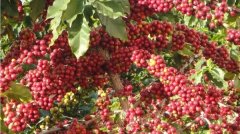
Coffee knowledge-- about the growth process of Coffee trees
The coffee tree is an evergreen tree with small white flowers and green flowers that turn red when it is mature. A normal coffee tree can usually grow to 5 to 10 meters high, but for the convenience of harvesting, bean farmers often prune it to less than 2 meters. After flowering, there are many dark green ellipses, and the mature ones change from dark green to bright red.

Introduction of Coffee Encyclopedia on Plant growth of Coffee
The coffee tree is an evergreen tree with small white flowers and green fruit that does not turn red until it is ripe. A normal coffee tree can usually grow to a height of 5 to 10 meters, but bean farmers often prune it to less than 2 meters for harvest convenience. After flowering, there are many dark green oval fruits, and the mature fruits change from dark green to bright red, due to the color and cherry.

Boutique coffee learn coffee trees, coffee flowers, coffee fruits
The coffee tree is an evergreen tree with small white flowers and green fruit that does not turn red until it is ripe. A normal coffee tree can usually grow to a height of 5 to 10 meters, but bean farmers often prune it to less than 2 meters for harvest convenience. After flowering, there are many dark green oval fruits, and the mature fruits change from dark green to bright red, due to the color and cherry.

How to distinguish the quality of coffee beans
1. Coffee varieties (high-quality Arabica species) are used in professional cafes for fresh grinding and baking, but (Robasta) because of their bitter taste, most of them are used in instant coffee powder production, mixed coffee bean blending and other fields. 2, planting techniques, understanding (various suitable budding methods of coffee beans; matters needing attention in transplanting; growing pruning, loosening soil, organic fertilization, etc.) 3, climate,
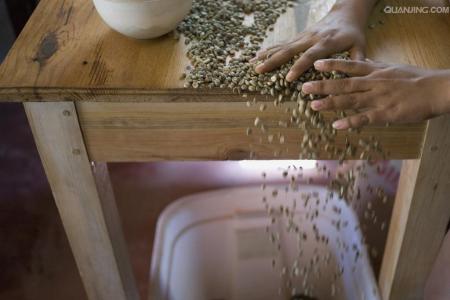
Introduction to the treatment of San Juan Xido coffee beans in Honduras with superior climatic conditions
The granules of coffee beans in Honduras are large in shape, uniform in size and glossy in color. In order to facilitate harvesting, farmers will prune the coffee trees to no more than 150 centimeters, because if they grow too high, they have to set up ladders to pick, which is not only time-consuming, but also may damage the trees by bending branches. As the ripening period of each fruit of the coffee bean is different, it is necessary to keep the coffee bean in good condition.
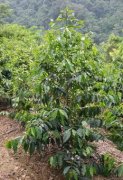
Coffee bean growth process coffee tree, coffee flower, coffee fruit
The coffee tree is an evergreen tree with small white flowers and green fruit that does not turn red until it is ripe. A normal coffee tree can usually grow to a height of 5 to 10 meters, but bean farmers often prune it to less than 2 meters for harvest convenience. After flowering, there are many dark green oval fruits, and the mature fruits change from dark green to bright red, due to the color and cherry.

Introduction to the Environmental Flavor and Taste of the Fine Coffee Bean growing area in Yersaro, Costa Rica
All the coffee trees planted in Costa Rica are Arabica coffee trees. through improvement, the quality of coffee beans is better and more stable. in order to facilitate picking, coffee trees are kept at a height of about 2 meters through continuous pruning. The coffee that people eat is the taste of the seeds in the fruit that are brewed in water. After picking raw coffee beans, the peel, pulp, seed film and sun exposure must be removed.